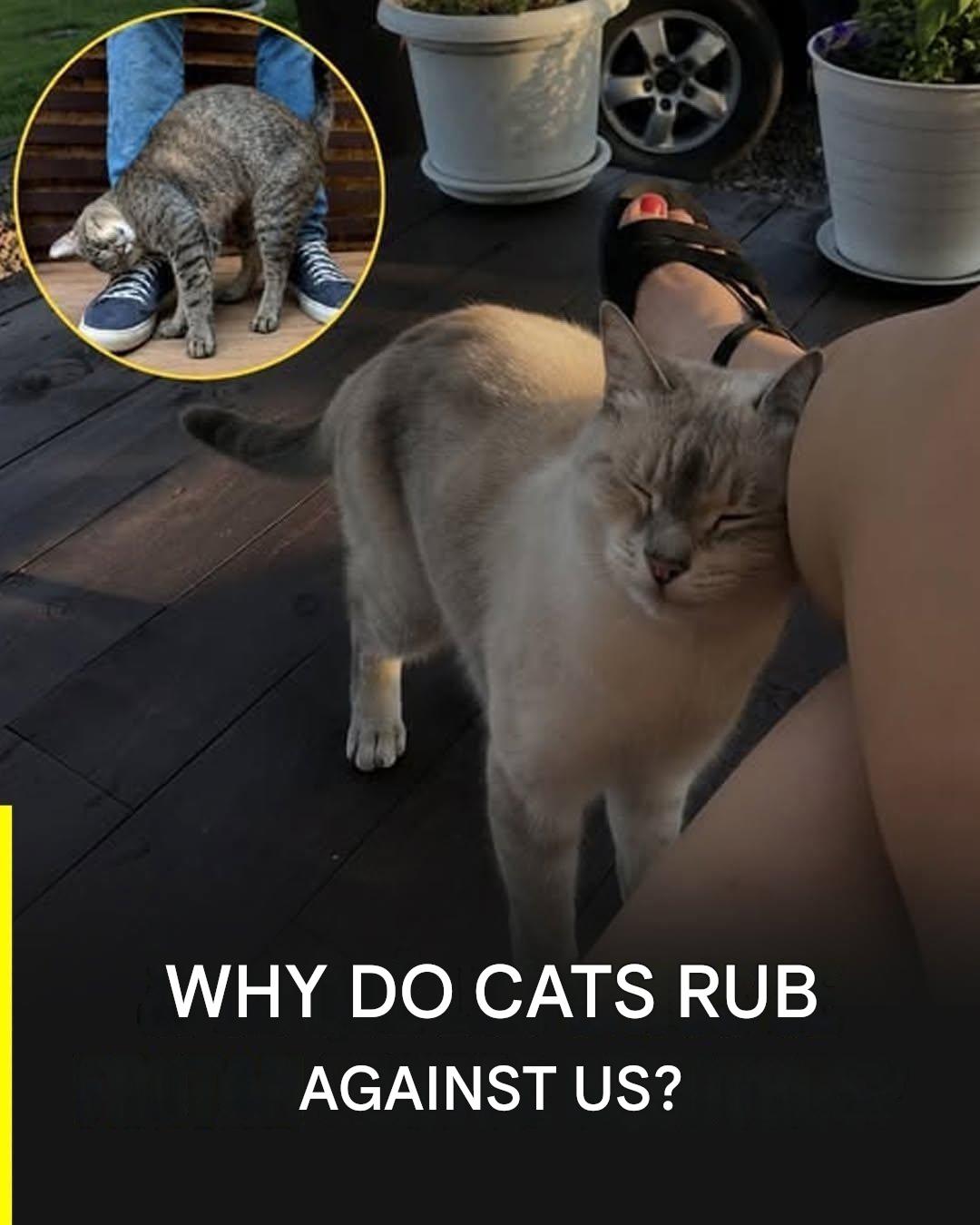
In some cases, rubbing can also serve as a way of asserting territorial dominance , especially in homes with more than one animal. Rubbing against furniture, corners, or people can be a way to reinforce their presence in the face of new scents. Even so, when this gesture is accompanied by purring , slow blinking, and relaxed movements, the message is clearly positive.
One particularly significant gesture is the well-known “headbutt,” when the cat gently rests or pushes its head against the person. Far from being a casual collision, it is one of the most intense expressions of feline affection . It is a behavior reserved for strong bonds and demonstrates a high level of trust.
Responding appropriately to these gestures helps strengthen the relationship. Gently stroking areas where the cat tends to rub, such as its cheeks or behind its ears, reinforces this connection. However, it’s also essential to respect its boundaries and understand that not every touch implies a prolonged invitation to physical contact.
Ultimately, when a cat rubs against us, it’s not acting randomly. It’s communicating trust , belonging , security, and, in many cases, genuine affection. Understanding this behavior allows us to better interpret its world and build a more harmonious relationship. For a cat, that small gesture has enormous meaning: it’s its silent way of saying that we are part of its universe.